
Enterprise UI Design for an internal developer platofrm with a Fortune 500 Pharmaceutical Company
00
Operating as both the researcher and the designer allowed for a seamless translation of user pain points into architectural strategy. After identifying 17 high-value features required for the new platform, I defined three core Information Architecture (IA) goals to guide the design phase:
Reduce Cognitive Load: Move past the fragmented "front door" experience by centralizing access to services, documentation, and tools (e.g., Global Search, Interactive Guides) to prevent users from getting lost.
Enable Customization & Navigation: Establish a clear framework that supports on-the-fly customization, ensuring core areas like Service Directories and the Marketplace remain highly accessible.
Support High-Value Epics: Optimize the architecture to house the 17 prioritized epics, ensuring the most critical developer features are never buried beneath complex navigation.
To ensure security and access were handled logically before any interface was drawn, I developed a comprehensive Object Map detailing Role-Based Access Control (RBAC) flows, which directly informed the platform's new sitemap.
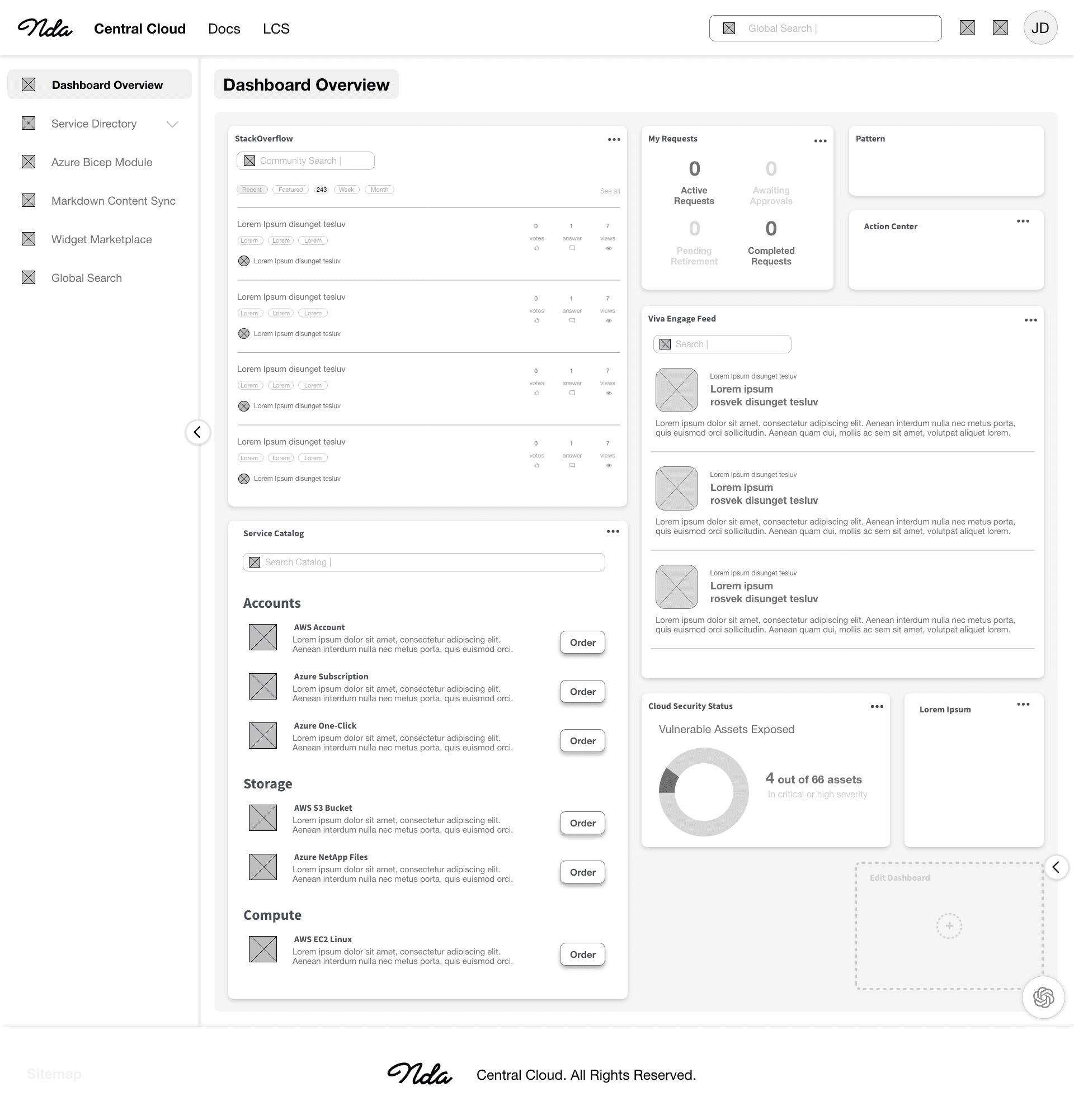
My process began by designing wireframes and a low to medium fidelity prototype of how the platform would be structured and how the 17 high-value features would come into play for the users.
year
2024
timeframe
4 Months
tools
Microsoft Teams, Miro, XD/ Figma
category
Enterprise Design
problem
Developers were losing valuable time and productivity to a disconnected, high-friction ecosystem. Complex access management and scattered documentation were creating steep learning curves and stalling cross-team collaboration. During the initial research phase, a root-cause analysis uncovered three critical points of failure. 1. Information Architecture: Poor search-ability, fragmented knowledge bases, and inconsistent documentation left developers without a "single source of truth." 2. Access Management: Unclear permission models, complex onboarding, and multi-layered approval chains delayed developers from actually writing code. 3. Process Inefficiency: Manual workflows, redundant approvals, and a lack of automation were bottlenecking daily productivity.
solution
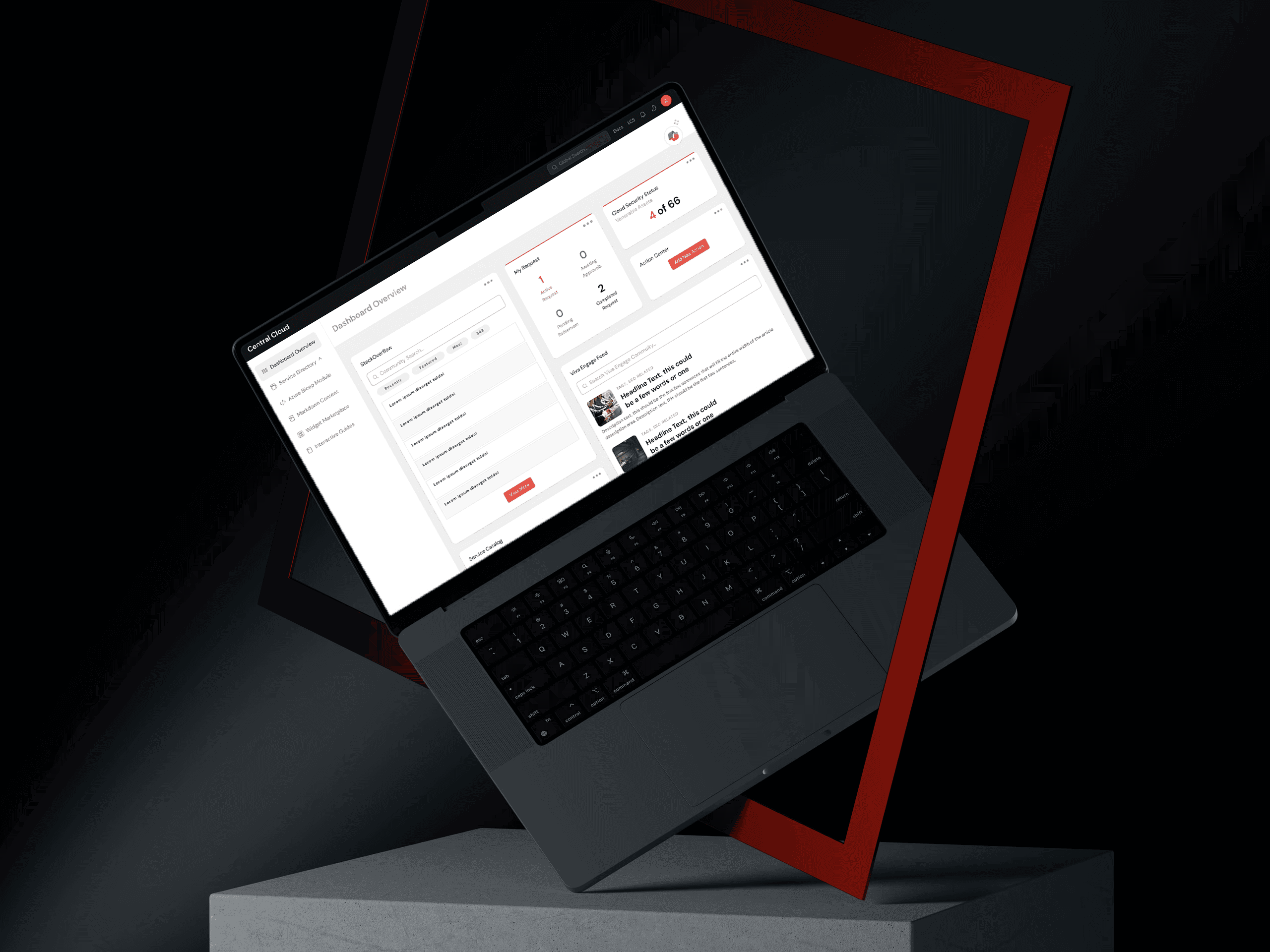
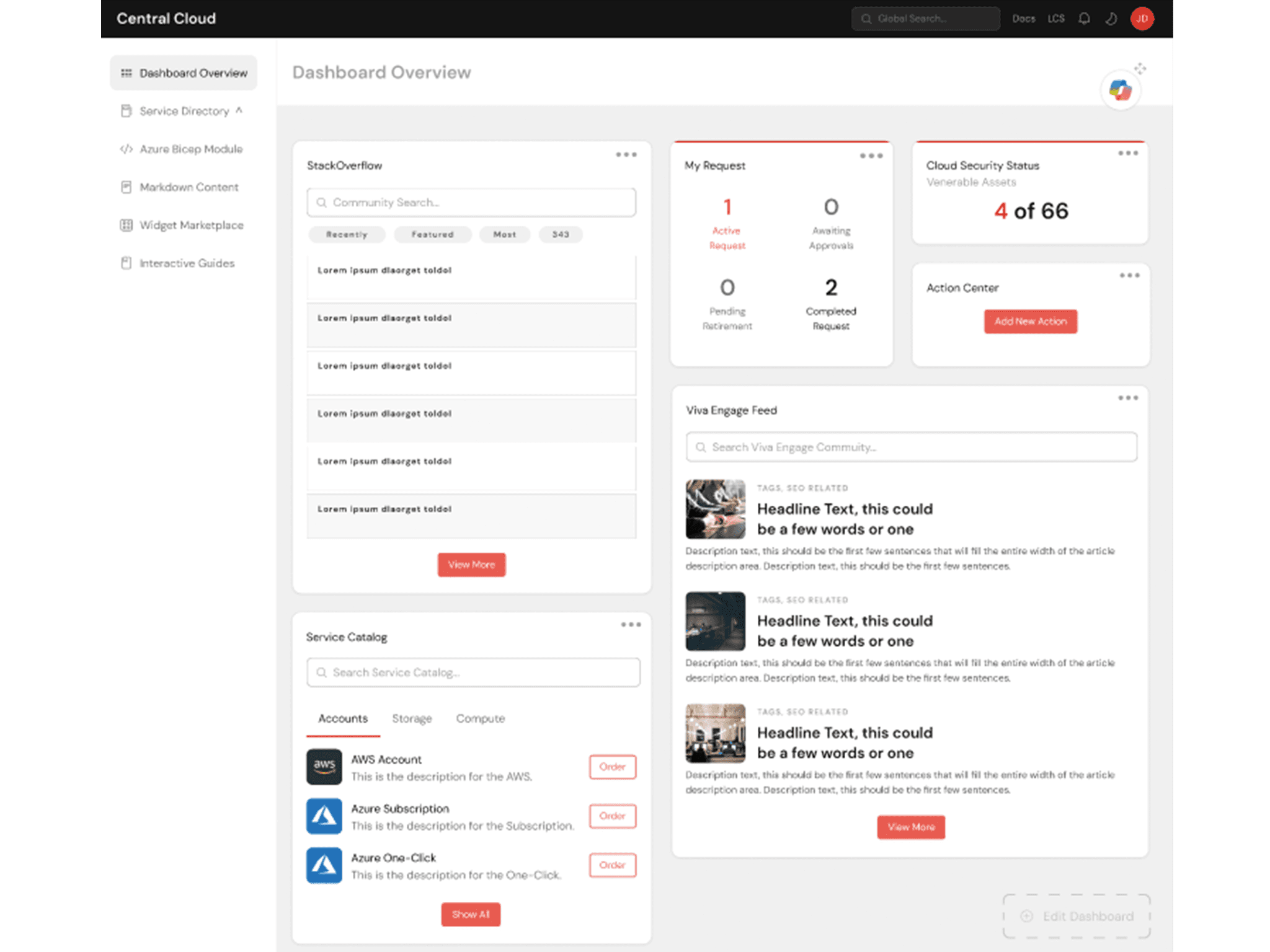
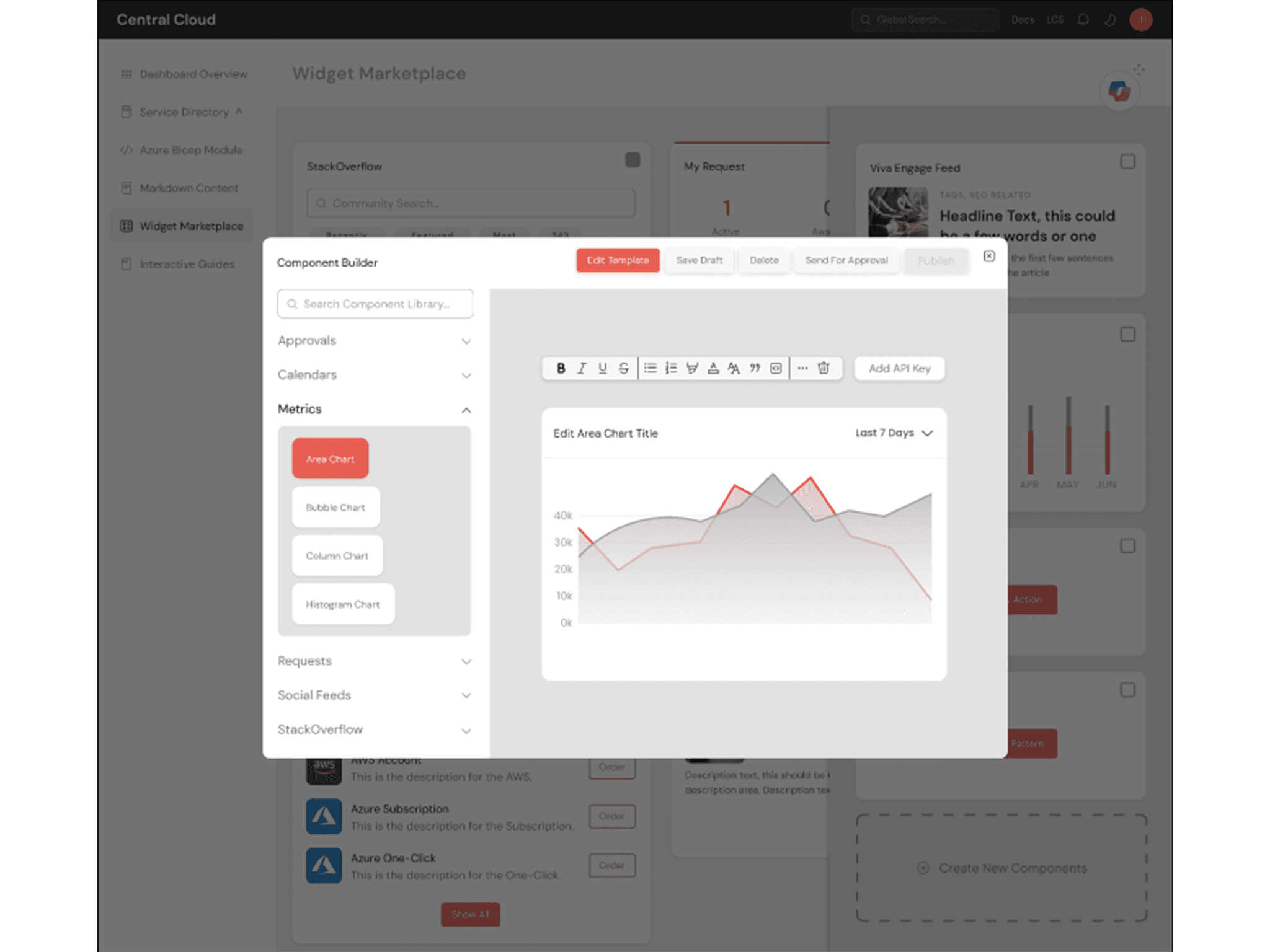
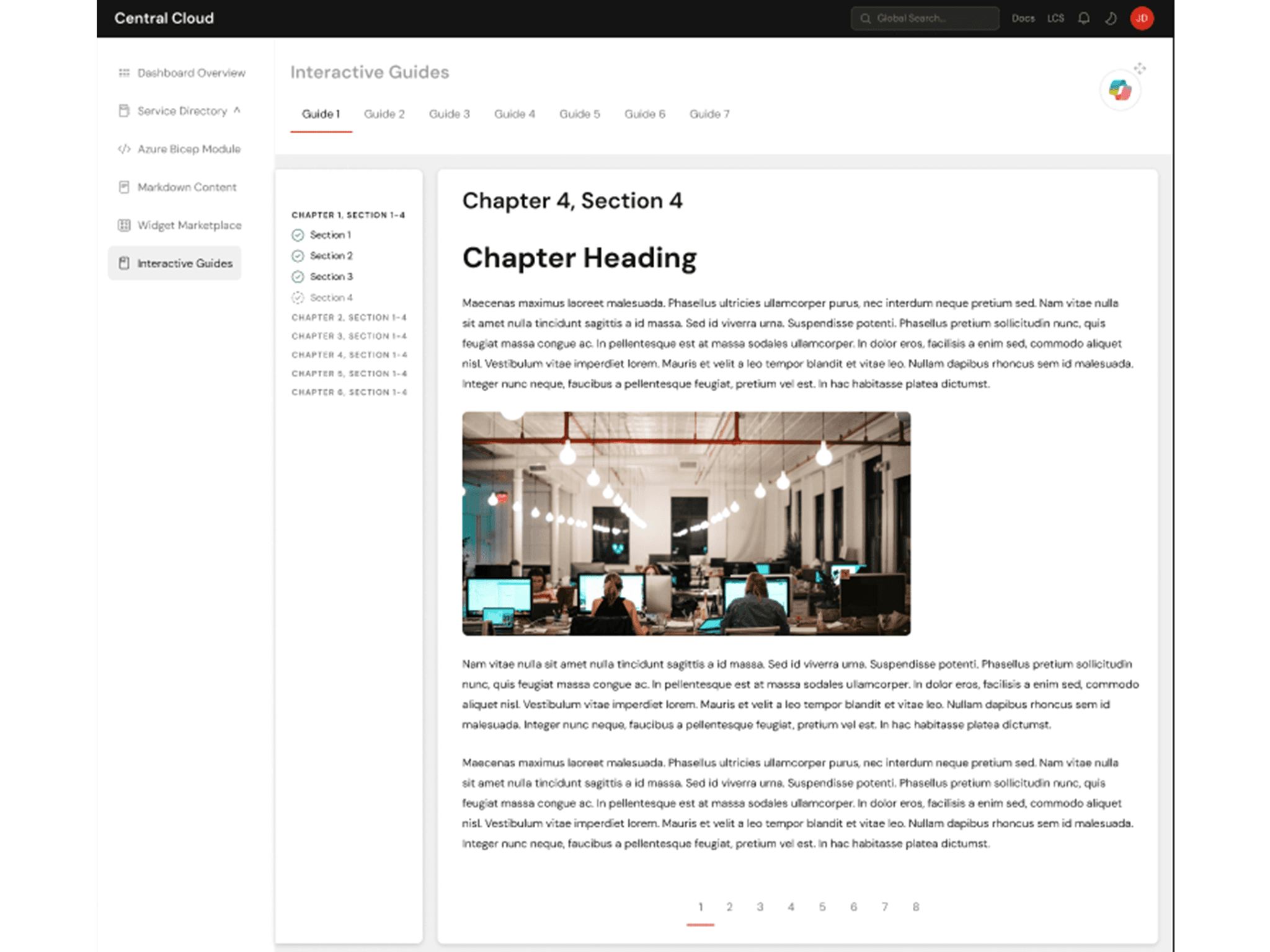
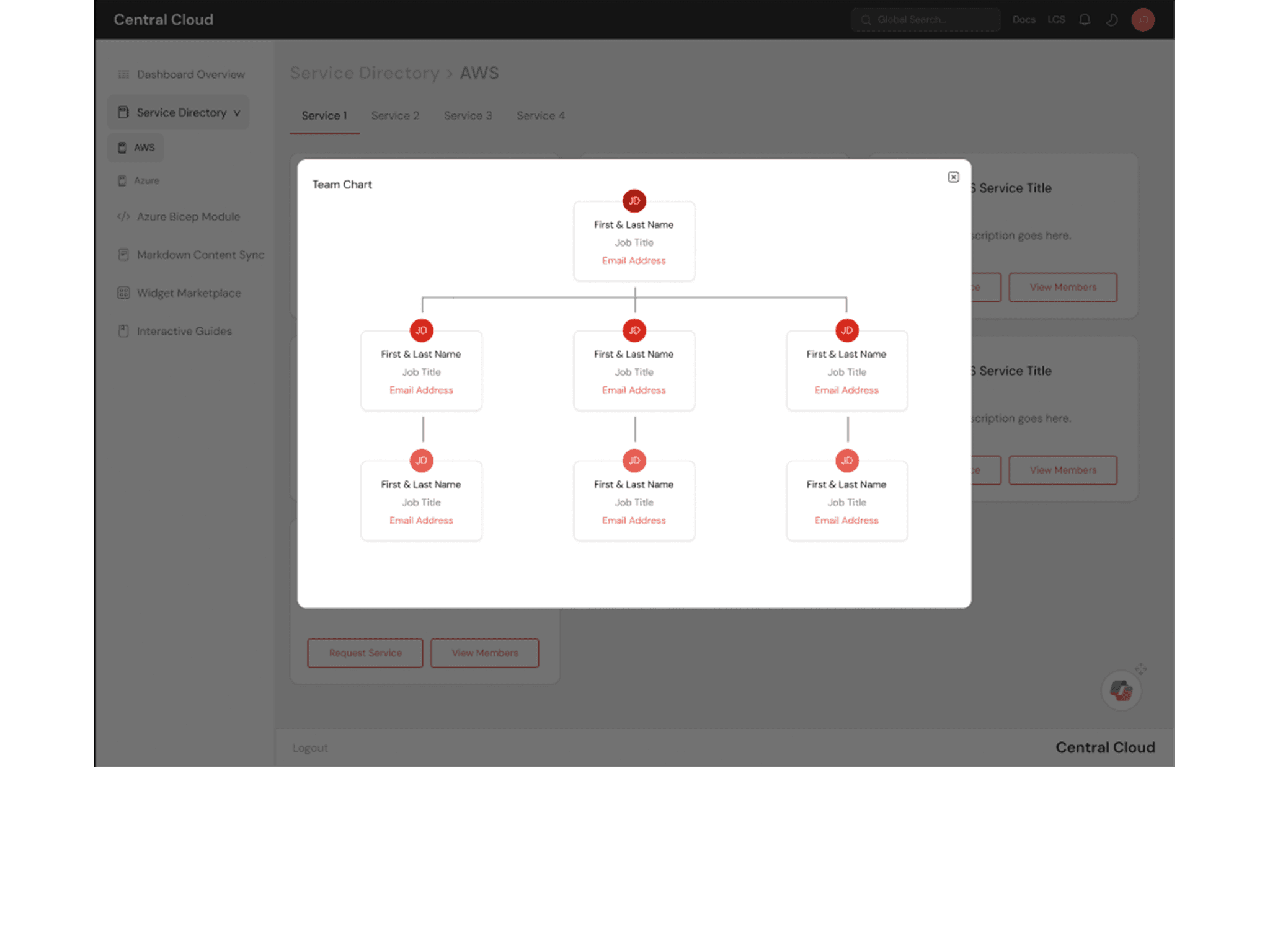
Transitioning into the 4-week design phase, I focused on rapid iteration and establishing a scalable foundation. 1. Validation Through Prototyping: I built a low-to-medium fidelity prototype to test the new IA and RBAC flows. This allowed us to validate the structural logic with stakeholders and secure client approval before investing in high-fidelity visuals. 2. Scalable Design System: Upon structural approval, I engineered a robust design system. This not only established the visual language for the new tool but ensured future designers would have a standardized, scalable base for future iterations. 3. High-Fidelity Execution: The final prototype delivered a streamlined, consumer-grade experience for complex technical workflows. 4. Key Feature Implementations: Integrated global smart-search and a centralized knowledge hub. Role-based navigation with clear permission hierarchies. Automated onboarding workflows with self-service capabilities. Process automation templates featuring smart validation and status tracking.
see more projects